
Opportunity Charging for Forklift Lithium Batteries
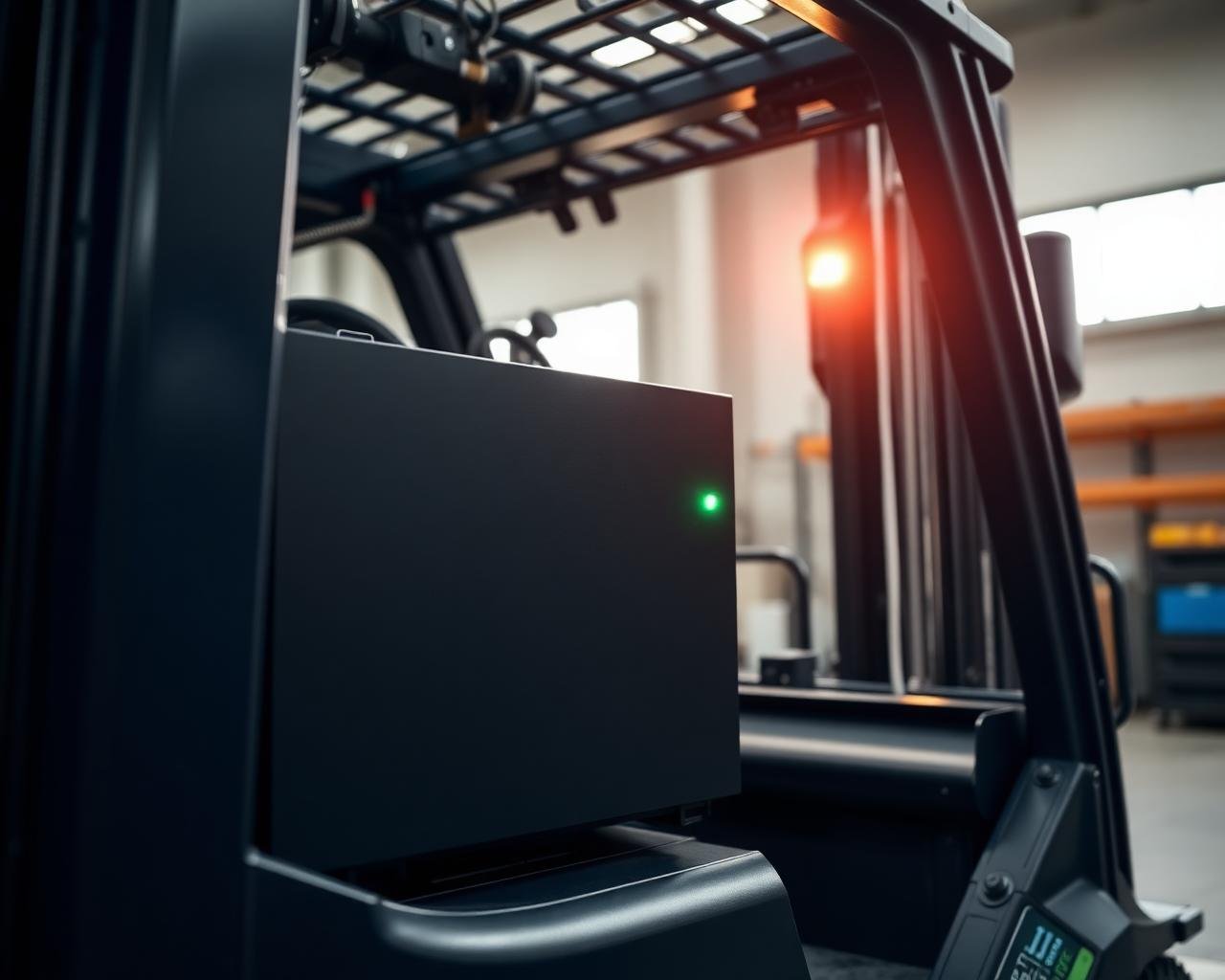
Opportunity Charging for Forklift Lithium Batteries is a practical topic for buyers considering lead-acid to lithium conversion. For Wattrae Energy customers, the goal is not only to choose a battery pack, but to build a complete LFP system that fits the vehicle, the charger, the operator routine and the export destination.
Why this matters
A charger decision affects charging time, battery life, operator behavior and safety protection. A low-cost charger can create service problems if the voltage range, current, connector or communication method is wrong.
For importers and distributors, this is also a sales quality issue. A clear technical checklist reduces wrong quotations, repeated communication and after-sales disputes. It also helps the end user compare lead-acid and lithium on operating value instead of only on unit price.
Key points for buyers
- Review break times and shift schedule
- Size charger power correctly
- Place chargers near operating areas
- Train operators on short charging windows
- Monitor temperature during fast charging
How to evaluate the project
Start with the existing battery. The old lead-acid nameplate normally gives the voltage and amp-hour rating, but that information is only the first step. The battery compartment size, original weight, cable exit direction and connector type decide the mechanical design of the lithium replacement pack.
Next, review the working pattern. A single-shift warehouse may choose a different capacity and charger than a multi-shift operation using opportunity charging. Hot warehouses, cold storage rooms, rental fleets and outdoor applications also need different protection priorities.
Information to send for a fast quote
- equipment brand, model and application
- current battery voltage and capacity from the battery nameplate
- battery compartment length, width and height
- original battery weight or counterweight requirement
- connector type, cable direction and charger plug photo
- daily working hours, charging window and shift pattern
- destination country and required transport documents
- quantity, target delivery schedule and after-sales support needs
Common mistakes to avoid
- choosing a battery only by voltage and ignoring size or weight
- reusing an old lead-acid charger without checking the charging profile
- forgetting the connector type and cable exit direction
- ignoring local AC input voltage and plug requirements
- comparing price without considering maintenance, downtime and service support
Wattrae Energy application note
Wattrae Energy focuses on complete LFP conversion packages for forklifts, pallet trucks, golf carts, GSE, cleaning machines and other industrial vehicles. A typical project can include an LFP battery pack, smart BMS, matched charger, REMA or Anderson connector, custom battery box, wiring harness, ballast review, installation guidance and export documentation support when applicable.
FAQ
Can the old lead-acid charger be reused?
A matched lithium charger is recommended for most conversion projects. The old charger should only be reused when the battery supplier confirms the charging profile, voltage range and protection logic are suitable for the LFP battery.
Is voltage enough to prepare a quotation?
No. Voltage is only the starting point. Battery size, capacity, original weight, connector type, cable direction, charger input and daily working hours all affect the final solution.
What is the best first step?
Send photos of the battery nameplate, battery compartment, connector and charger, together with the equipment model, quantity and daily working hours.
Related Wattrae pages
Next step
Send your battery photos and project information to Wattrae Energy for a complete lead-acid to lithium conversion review.